Professional sanitation and food hygiene professionals in Brampton assist food establishments, commissaries, bakeries, warehouses, and food service operations staying compliant. They decontaminate high-contact points, food contact areas, equipment, floors, drains, restrooms, and prep zones using certified products, maintaining proper ratios, and documenting contact times. You require regular sanitation determined by hazard level, food throughput, allergens, and regulatory assessments, along with documented proof backing Hazard Analysis Critical Control Points, quality reviews, and regulatory adherence. The sections below outlines how effective cleaning systems must contain.
Essential Summary
- Brampton's sanitation professionals maintain restaurants, grocery departments, commissaries, warehouses, bakeries, schools, mobile vendors, and allergen-sensitive operations.
- Cross-contamination prevention is ensured by treating high-touch surfaces, food-contact equipment, kitchens, floors, drains, restrooms, and storage areas with compartmentalized approaches.
- Recording of finalization through swabs, inspections, and remedial documentation ensures approved vendors have verified proper chemical concentration, appropriateness, and exposure duration.
- Sound maintenance schedules account for danger, production volume, transitions, accidents, and guidelines when designating regular, weekly, and annual operations by zone.
- Liability, coded equipment, hazard analysis knowledge, public-health competency, safety training training, endorsements, and audit-ready cleaning paperwork are critical vendor attributes.
Which Brampton Operations Need Food Safety Cleaning?
Brampton operations that deal with, maintain, prepare, package, or provide food require food sanitation. Implement it if your establishment is falls under public health inspection, food premises regulations, or internal HACCP-based controls. The obligation covers dining establishments, employee cafes, food distributors, market sections, meat shops, fish counters, local shops, and commercial kitchens.
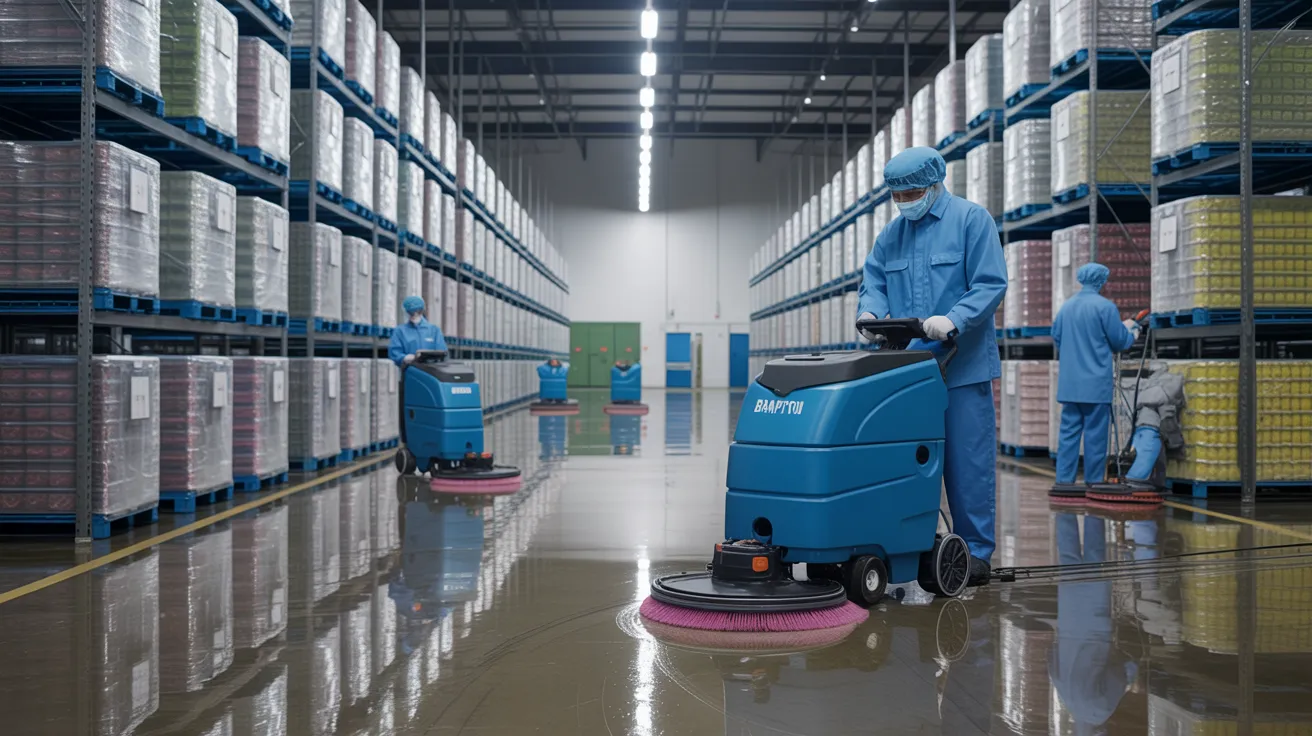
Compliant food safety cleaning remains essential in warehouses, food manufacturing plants, cold storage sites, retail bakeries, school nutrition programs, banquet halls, and meal delivery hubs. Mobile and temporary operations are included, including catering trucks, festival vendors, and pop-up food booths. Your facility needs documented cleaning protocols should your team prepare supplies, portion finished foods, reheat dishes, or organize allergen inventory. In Brampton, food safety is not elective; it represents statutory, functional, and public health adherence.
What Do Brampton Cleaning Experts Clean?
Your facility requires professional cleaners who disinfect frequently contacted surfaces, kitchens, floors, and restrooms to maintain food safety compliance and public health standards. These zones receive attention due to their elevated cross-contamination potential, hazardous walking conditions, and breaches of sanitation codes.
Understanding their cleaning procedures enables you to validate your facility's cleaning meets operational demands and regulatory compliance.
High-Touch Surface Cleaning
determine how regularly each zone is cleaned
confirm effective sanitization
Kitchen Areas, Floor Surfaces, and Bathroom Spaces
Professional cleaners in Brampton concentrate on kitchens, floors, and restrooms given that each location involves distinct food safety, falling hazards, and health code requirements. In industrial kitchens, you need grease removal from cooking stations, appliance surfaces, drain systems, preparation areas, and backsplashes to reduce bacterial growth and pest activity.
You should also expect documented flooring maintenance. is likewise provided as part of the service.
In restrooms, cleaners treat contact surfaces, bathroom hardware, partition walls, accessory dispensers, and receptacles then refill supplies and eliminate odor. They also service restaurant moprooms, where chemical storage, sink hygiene, and drainage conditions can affect sanitation compliance and staff safety daily.
How Food Safety Cleaning Benefits Brampton Operations
Brampton facilities require proper hygiene standards to fulfill health code requirements and pass audits. You also minimize cross-contamination by cleaning and sanitizing food-contact surfaces, equipment, and high-touch areas correctly. Most importantly, you help protect public health by lowering the risk of foodborne illness in your facility.
Food Safety Regulations
Food operations in Brampton face rigorous sanitary regulations, making food safety cleaning critical to meeting health code requirements, defending patrons, and eliminating enforcement action. You must maintain sanitized food contact points, recorded sanitation plans, correct sanitizer application, and traceable training practices that align with municipal and provincial inspection expectations.
Effective hygiene procedures helps in preventing allergen issues by limiting residue buildup on mutual appliances and regularly touched locations.
Cross-Contamination Prevention
Adhering to regulatory guidelines requires your skill in preventing cross-contamination throughout daily food handling and cleaning. You need to separate raw ingredients from ready-to-eat foods, sanitize work stations after each task, and keep chemicals away from food-contact items. Structured procedures reduce transfer risks and maintain ongoing regulatory adherence.
Implementing allergen segregation helps ensure major allergens don't touch communal work zones, bins, or devices. Utilize separate boards, color-labeled items, and strict utensil labeling so staff don't mix items during preparation or service. Enforce hand hygiene following raw meat, seafood, eggs, or allergen-containing products. Refresh cleaning cloths often, and validate disinfectant levels using test strips. When your team learns these guidelines per shift, you create a cleaner, safer operation that meets Brampton's food safety expectations regularly.
Community Health Protection
If food safety cleaning deteriorates, you don't merely risk a failed inspection—you boost the probability of pathogenic contamination harming customers, staff, and the broader Brampton area. You also weaken your role in protecting public health, especially in busy food facilities where contamination can spread quickly through surfaces, equipment, and touchpoints.
You require sanitation systems that eliminate soils, sanitize effectively, and validate outcomes. This involves maintaining exposure durations, selecting approved disinfectants, documenting procedures, and educating staff to satisfy regulatory requirements. These controls promote pathogen control by minimizing pathogens before reaching surfaces or food. Throughout Brampton, effective sanitation protects vulnerable communities, minimizes disease potential, and demonstrates your diligence. When you adhere to standards, you exceed regulations—you lower hazards and enable safer food service throughout the area.
In What Ways Does Cleaning Help Achieve Food Safety Compliance?
Strict sanitation practices support food safety compliance by lowering contamination exposure, limiting pathogen development, and maintaining your facility's adherence to sanitation requirements under HACCP-based programs and public health regulations. You verify that food-handling surfaces are visibly clean and microbiologically controlled, backing documented preventive controls and inspection readiness.
Cleaning programs additionally bolster allergen control by removing residues that can trigger undeclared allergen exposure.
When Do You Plan Commercial Cleaning?
maintenance activities.
daily routines
What Should You Look For in Brampton Cleaning Experts?
Evaluate providers first by food-safe sanitation requirements rather than cost. You must ensure each provider understands CFIA, public health, and HACCP requirements for your business. Request insurance proof, WHMIS compliance, staff training documentation, and supervision methods. Check technician understanding of cross-contamination risks, chemical safety, and traceable sanitation records.
You should also assess business dependability and responsibility. Request references from food facilities in Brampton, then examine response times, corrective-action procedures, and communication standards. Confirm the company participates in supplier audits and can present inspection-ready documentation when regulators or third parties request evidence. Check whether equipment maintenance is performed, colour-coded tools are used appropriately, and facility-specific risks are recognized. A competent service protects regulatory adherence, product quality, and your brand reputation.
What does a cleaning and sanitation plan consist of?
Create a documented strategy that clearly outlines every sanitation task, standard, and responsibility prior to beginning production. You should list cleaning frequencies, approved chemicals, dilution rates, contact times, tools, and verification methods for each zone, surface, and piece of equipment. Don't forget to add pre-operational inspections, corrective actions, and employee training requirements.
Your plan should also address prevention of contamination, waste management, pest-control tactics, and scheduled records for facilities, drains, flooring, and food-preparation surfaces. Specify how you'll distinguish between uncooked and prepared items, facilitate ingredient tracking, and keep accurate allergen labeling through validated cleaning between product changes. You should establish accountability, document signed records, and assess results against regulatory standards, HACCP controls, and customer requirements. When gaps appear, modify procedures immediately and instruct staff.
Regular Posed Inquiries
Can cleaning services accommodate overnight shifts in Brampton properties?
Yes, you can arrange sanitation coverage to manage overnight shifts in Brampton facilities. You'll organize overnight sanitation around production schedules, access controls, and personnel needs. Services generally map nightshift procedures to minimize interruption, ensure compliance, and document completed tasks. You should confirm arrival timeframes, supervision, lockout procedures, and disposal methods before beginning service. If you operate regulated spaces, you'll also want cleaning records that support inspections and internal quality assurance.
Are hazard containment services provided from sanitation professionals?
Yes, practical advice you can expect Brampton sanitation professionals who offer hazard containment solutions. They handle contamination, evaluate dangers, contain contamination, and start rapid decontamination to reduce exposure and avoid operational disruption. You should confirm response times, training certifications, PPE protocols, and disposal procedures. If your facility must comply with industry standards, choose a provider that documents incidents, maintains regulatory procedures, and supports audit readiness.
Can eco-friendly disinfectants be applied securely on food-contact surfaces?
In essence, eco-friendly disinfectants are safe for food-handling equipment provided you choose disinfectants approved for food contact that satisfy regulatory standards. Verify contact duration, dilution rates, and rinse requirements before use. Plant-derived products reduce harsh chemical exposure, although you require confirmation of performance against target microorganisms. To ensure residue-free conditions, stick to exact manufacturer guidelines and verify the sanitizer meets food sanitation requirements.
Can sanitation programs be modified for seasonal variations?
Absolutely, cleaning schedules are customizable for seasonal variations. Revise timing, staffing, disinfectants, and confirmation procedures to fit operational cycles while sustaining regulatory adherence. Lower production downtime through scheduling cleaning surrounding changeovers, peak volumes, and operational patterns. Additionally update procedural documents, staff education, and environmental monitoring to address seasonal hazards, novel allergens, or elevated soil levels. Ongoing evaluations maintain the plan efficient.
Are professional cleaning companies providing staff training on sanitation best practices?
Yes, commercial cleaners often train your team on sanitation best practices. You get staff training on proper chemical use, exposure periods, contamination control, equipment disassembly, and documentation. They typically align instruction with HACCP, GMP, and CFIA or regional health department regulations. Many also conduct hygiene inspections to verify compliance, identify gaps, and strengthen remedial steps. This helps you sustain uniform processes, pass inspections, and reduce food safety risks daily.
Closing Remarks
By collaborating with Brampton commercial cleaning and food safety experts, you aren't just organizing—you maintain your facility compliance-focused and your standards up to code. From kitchens to processing floors, every sanitized surface and maintained corner decreases contamination and prevents costly issues. By scheduling cleanings on the right schedule and following a documented cleaning plan, you secure your team, clients, and your credibility. In a heavily controlled environment, clean spaces must be prioritized—they're essential to successful operations.